Communication Presence
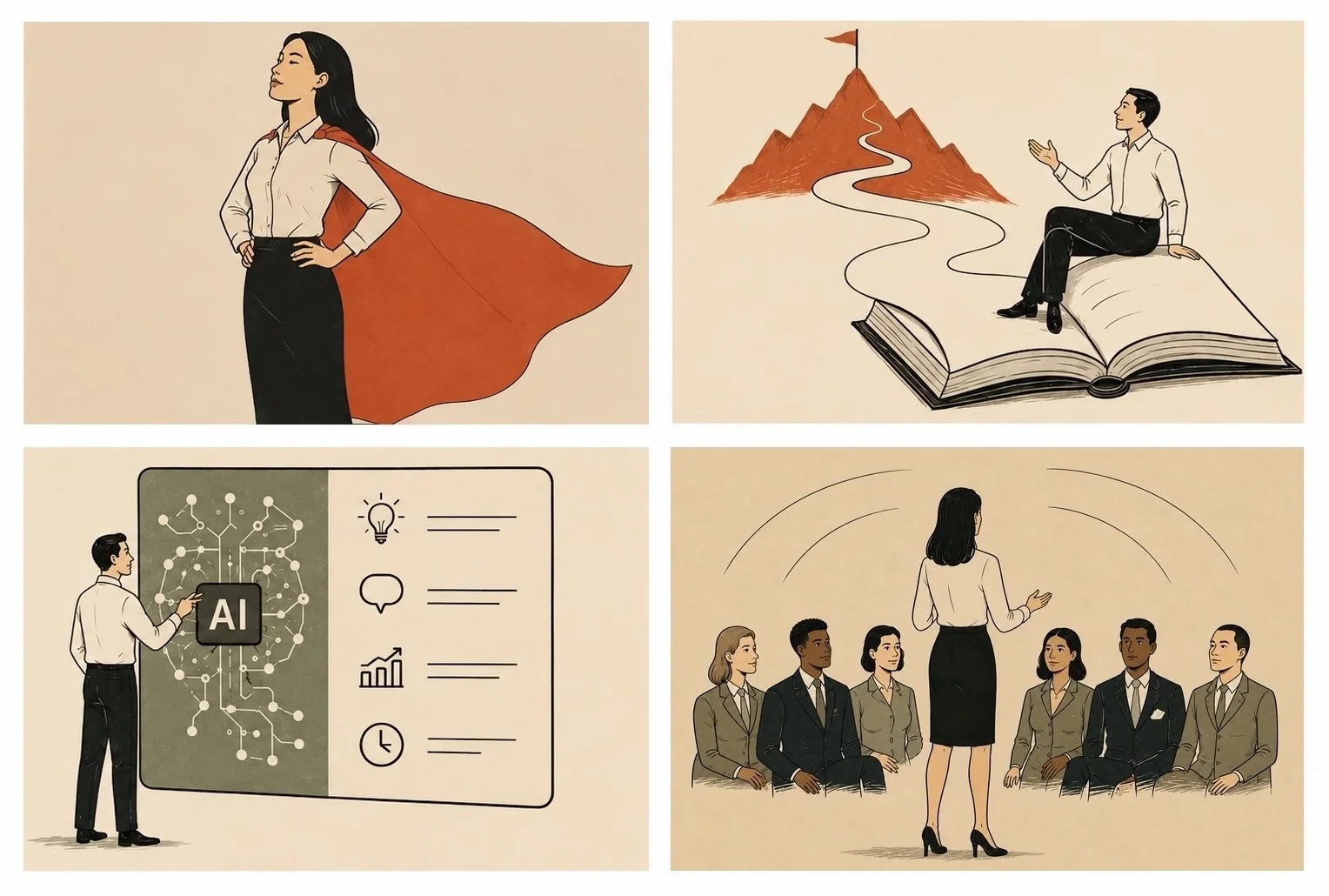
The ability to communicate with an engaging presence is a skill that benefits many areas of life. When we can persuasively connect on a human level with our audience, whether that be 1-on-1 or 1-to-many, we increase our impact and achieve our goals.
In my work with clients who are focused on becoming better speakers and facilitators, the topics include:
Self-Awareness: Strengths, weaknesses, mindset obstacles
Personal Mastery: Confidence, emotional regulation, flow state
Message: Audience analysis, content strategy, experience design, effective AI utilization
Delivery: Voice, body language, charisma, storytelling, flexibility of engagement, memorization
Each category is an exploration of the skills and emotional intelligence tools that add to the client’s current ability.
Why 1-on-1 coaching
Yes, YouTube, reading books, doing courses, and experimenting on your own are all helpful activities. But remember - time is our most valuable non-renewable resource. Early on in life, we trade time to save money: learning in groups, doing trial and error on our own, getting free advice. This is the long route to success. As we grow, the opportunity cost of time becomes too high to ignore. Adding 1-on-1 coaching to a smart overall development plan can save a tremendous amount of time and effort.
Why coach with me on this skill set
I draw from formal learning in a variety of domains - some obvious, some unexpected. They include:
Voice training
Professional business-to-business sales
Sports instruction certification
People skills training
Dating & attraction workshops
Mindfulness-based performance training
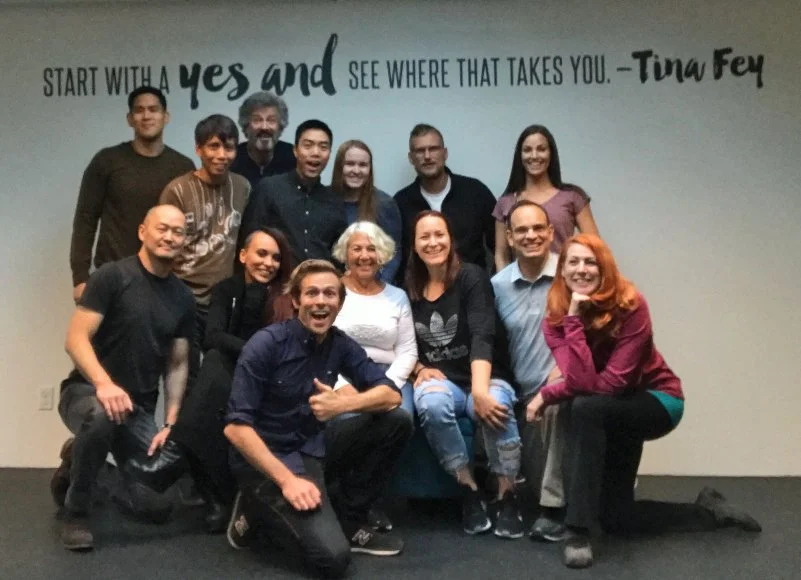
I’ve noticed that beyond the basics, the most powerful insights and techniques come from outside of conventional public speaking training. In my 20+ years of varied education and professional experience, I’ve found that the emotional intelligence aspect of most training are treated too superficially. Nervousness, self-consciousness, and impostor syndrome are all experiences of fear that need to be addressed properly. Instead of the typical advice of “just go get experience”, I make sure we also train the personal mastery aspects at the nervous system level (as needed).
Another relevant topic that is not taught in conventional training is the ability to make a genuine human connection. How do others experience you? How can you accelerate rapport and trust? What is the entire skill set of a great storyteller? We explore these vital, transferable skills.
Depending on the needs that we uncover, other related topics may come into play. More macro-level subjects like personal branding and authority building can be supported as well. My job as a coach is to distill what I know into the simplest, most effective methods that serve your needs.
My field experience
I’ve created and delivered talks, keynotes, and interactive workshops to audiences ranging from post-secondary students to C-suite executives. I’ve done sales presentations with millions of dollars at stake. I’ve shared my passion as an instructor in two different sports. I bring the synthesis of all of that experience, and all the feedback I’ve received over the years.
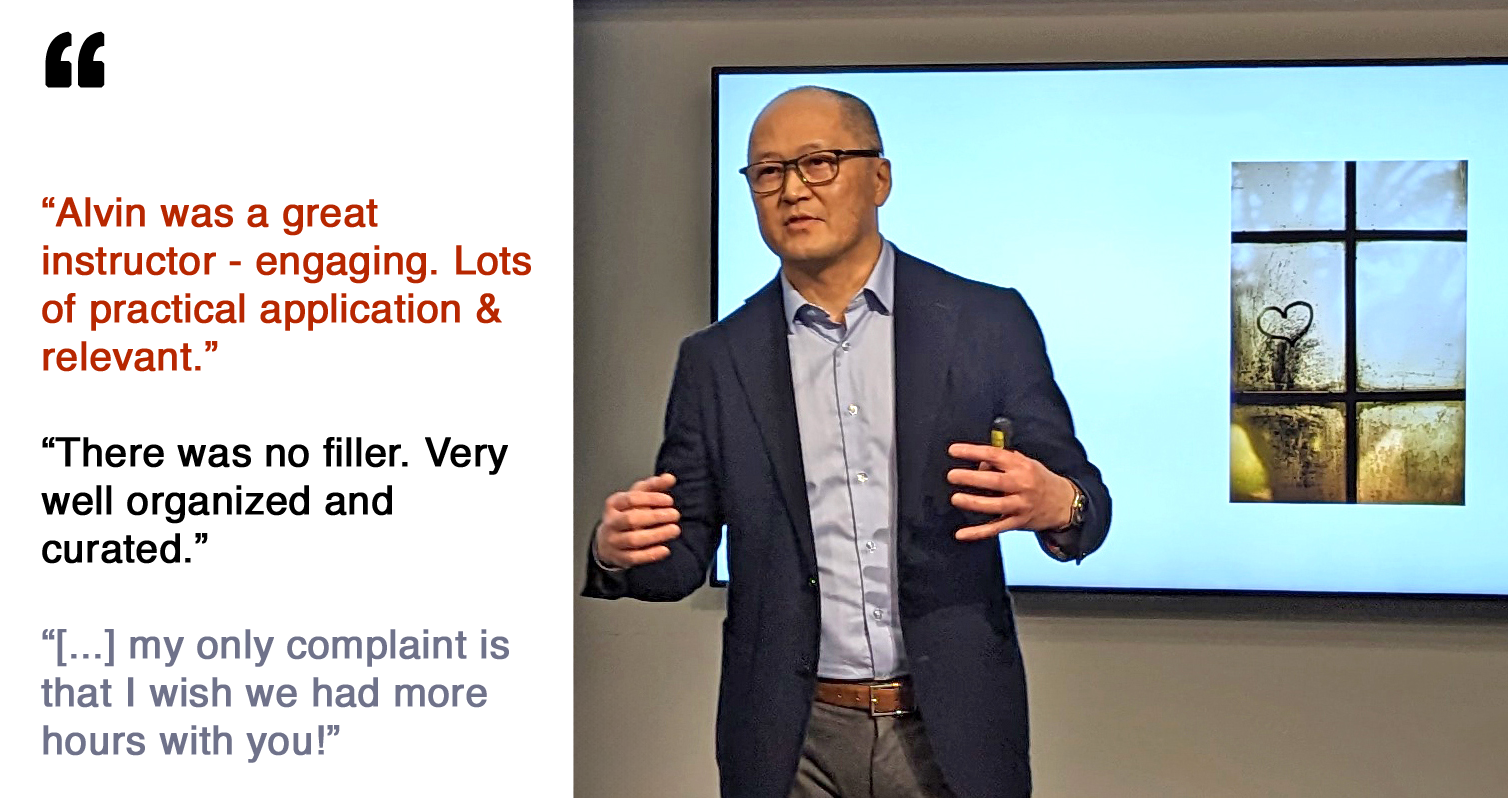
*Participant feedback from various leadership workshops I created and delivered.

Image: Variety.com
Bridge the Knowing-Doing Gap
As mentioned, personal mastery is key. Technical skills alone are not enough. To be at your best, you need show up with authentic confidence, come from non-attachment, and tap into your flow state. I experienced this in dramatic fashion when I had the good fortune of being selected to perform in the season 2 production of one of my favourite shows of all time.
In one instance that had close to 100 people on set, I was required to skillfully deliver my part of a precisely orchestrated scene with the main cast. This was way outside of my comfort zone. I am not a professional actor, so performing what was expected in that context was nerve-wracking. This was a record-setting-award-winning cast and crew – truly masters of their craft. Being an outsider playing at this highest level, I naturally felt intimidated and a sense of impostor syndrome. But thankfully, my personal mastery skills allowed me to deliver. That day was a priceless experience of deepening my self-knowledge and my understanding of the skills that I coach.
Bridging the knowing-doing gap is when we can reliably step into tension and physically do what we intellectually know. When we can apply great ideas that we’ve learned without getting in our own way, work and life become easier and more joyful. This is an essential part of my coaching.
How we work together
I have codified and repeatedly delivered training and coaching in the topics mentioned. But a 1-on-1 coaching engagement is not fixed. We design our work together, we execute, we adapt as we go. This is intentional and efficient. On an ongoing basis I diagnose, help refine strategy, teach, and coach. Your responsibility is to follow through on the actions we determine together.
When both coach and client are fully committed, magic happens and goals are achieved!